Retaining Walls & Concrete Masonry
Control erosion, create level spaces, and add functional beauty to sloped properties.
Why You Need a Retaining Wall
Retaining walls serve critical functions on sloped properties. They hold back soil to prevent erosion and landslides. They create flat, usable areas on hills. They protect structures and landscaping from water runoff and soil movement. Without proper retaining walls, slopes gradually erode, especially during heavy rains. This washes away topsoil, damages plants, and can even threaten structures.
Many Thousand Oaks properties have elevation changes that benefit from retaining walls. Maybe you want to expand your yard space by terracing a slope. Perhaps water runs down your hill and floods your patio after storms. Or you need to stabilize an embankment near your driveway or foundation. These situations all call for properly engineered retaining walls.
Retaining walls also add aesthetic value. A well-designed wall creates visual interest, defines spaces, and provides opportunities for landscaping. You can incorporate planters, built-in seating, or decorative finishes that complement your property. The wall becomes both functional and attractive, solving problems while improving appearance.
Building retaining walls requires engineering knowledge. The wall must resist the lateral pressure from tons of soil pushing against it. This involves calculating loads, designing proper drainage, and installing adequate reinforcement. Improperly built walls fail, sometimes catastrophically. We design and build retaining walls that meet engineering standards and local building codes for safety and longevity.
Types of Retaining Walls We Build
Different situations call for different wall types. Here are the options we recommend most often for residential and commercial properties.
Concrete Block Walls
Concrete masonry units provide versatility and strength for walls up to 8 feet tall. We stack interlocking blocks and reinforce them with steel and concrete fill. These walls work well for most residential applications and offer design flexibility. You can choose from various block styles, including split-face blocks that look like natural stone. The blocks come in different colors to match your preferences.
Poured Concrete Walls
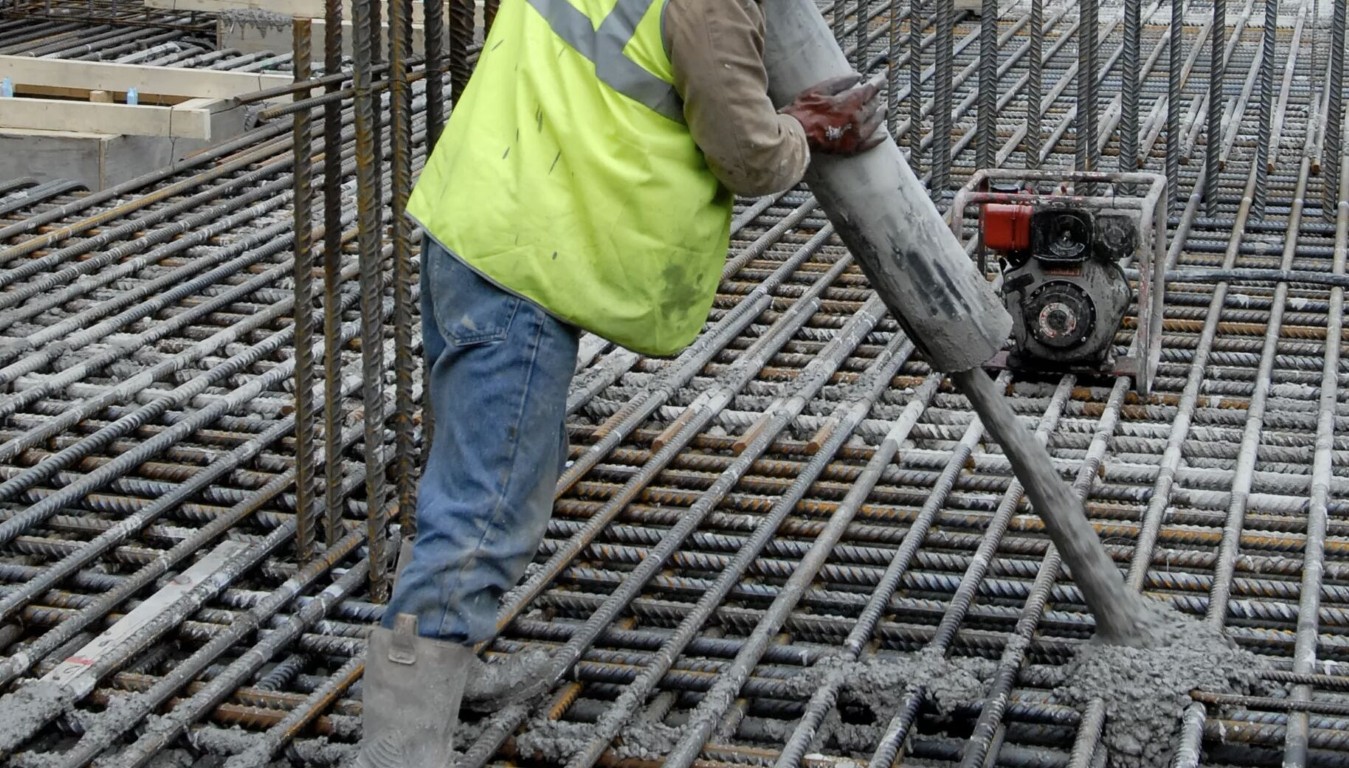
For taller walls or situations requiring maximum strength, we pour reinforced concrete walls. These involve building forms, installing heavy rebar grids, and pouring concrete into the forms. Poured walls handle higher loads and last indefinitely when built correctly. They cost more than block walls but provide superior performance for demanding applications like foundation support or very tall structures.
- Segmental retaining wall systems with decorative facing
- Concrete and stone veneer applications for aesthetic appeal
- Terraced wall systems for steep slopes
- Garden walls and planters integrated with retaining functions
During consultation, we evaluate your site conditions, measure the slope, and discuss your goals. We recommend the wall type that best fits your needs and budget. Height restrictions, soil conditions, and drainage patterns all influence which approach works best. We explain the pros and cons of each option so you can make an informed decision.
Critical Elements of Wall Construction
Building retaining walls correctly requires attention to several critical elements that homeowners often overlook. These factors determine whether your wall lasts decades or fails within a few years.
Foundation and Base
Every retaining wall needs a solid foundation. We excavate below grade and pour a concrete footing that extends below the frost line. The footing distributes the wall weight across a wider area and prevents settling. We also compact the base thoroughly and install a gravel leveling pad. Skipping proper foundation work guarantees wall failure regardless of how well the rest is built.
Drainage System
Water buildup behind retaining walls creates hydrostatic pressure that can push walls over. We install drainage systems that channel water away safely. This typically includes perforated drain pipes behind the wall, gravel backfill that allows water to flow, and weep holes that let water escape through the wall face. Proper drainage is absolutely essential for wall longevity.
Reinforcement and Structural Integrity
Walls over 3 feet tall require steel reinforcement to handle lateral soil pressure. We install vertical rebar in concrete block walls and tie it to the footing. For poured walls, we create rebar cages that provide strength in all directions. The reinforcement must be positioned correctly and tied properly. This is not something you can see after construction, which is why experience and integrity matter.
Proper Backfill and Compaction
After building the wall, we backfill behind it with appropriate materials. We use gravel near the wall for drainage, then transition to soil for planting areas. We compact the backfill in layers to prevent settling. Poor backfill practices cause walls to lean or tip over. This step requires patience and proper equipment, not just shoveling dirt behind the wall and hoping for the best.