
Concrete Driveways
Professional driveway installation that handles daily traffic and California weather.
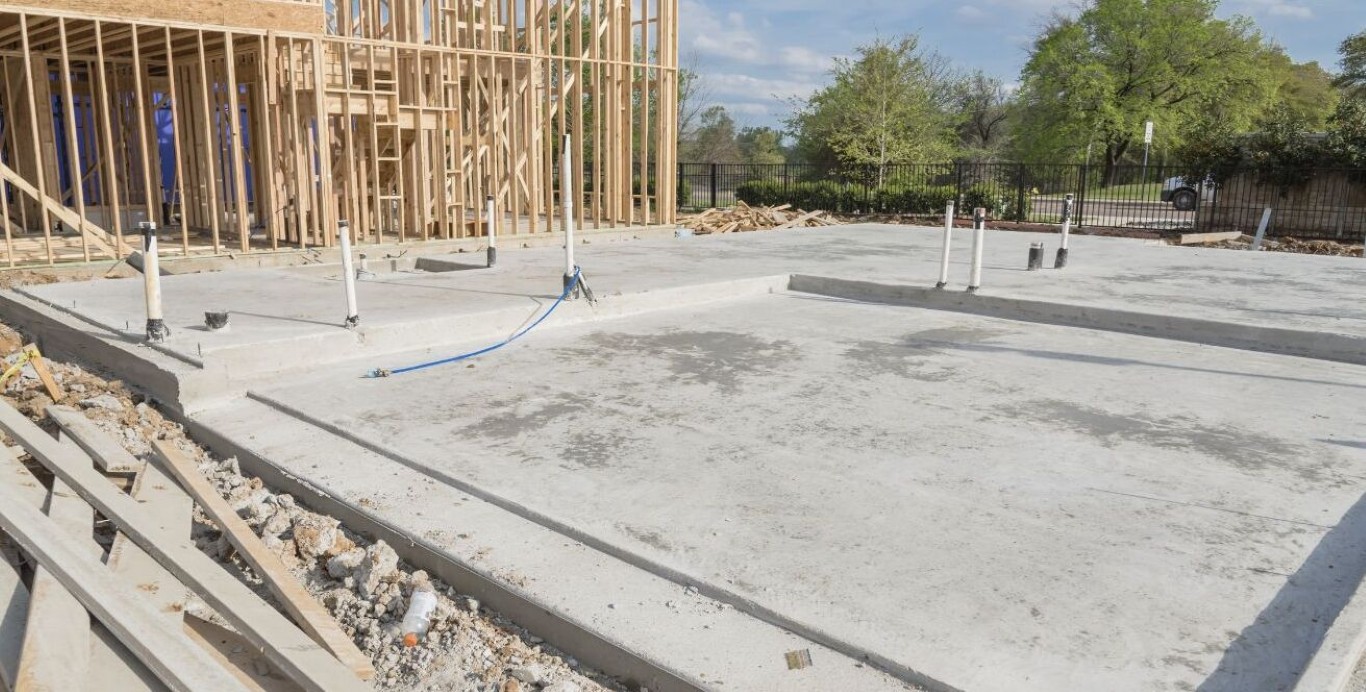
Why Choose a Concrete Driveway
Your driveway takes a beating. Cars pull in and out multiple times a day. Tires track in dirt, oil drips onto the surface, and the sun bakes down on it year-round. You need a material that can handle all of that without constant repairs or replacements. That is where concrete wins.
Concrete driveways last 30 years or more with minimal maintenance. Unlike asphalt, they do not soften in summer heat or develop potholes from temperature swings. Unlike pavers, they do not shift or grow weeds between joints. You get a solid, stable surface that stays level and looks good for decades.
The initial cost runs higher than asphalt, but you save money over time because you are not resealing every few years or fixing cracks. A properly installed concrete surface requires occasional cleaning and maybe a reseal every 5 to 10 years. That is it. No major repairs. No premature replacement. Just a driveway that does its job without demanding your attention.
What Makes a Quality Concrete Driveway
Most homeowners see a flat slab and assume all driveways are basically the same. They are not. What happens underneath determines whether your driveway lasts 30 years or starts cracking in three. Here is what actually matters when you build a driveway the right way.
The Foundation Layer
We start by excavating the existing surface and compacting the soil underneath. Loose soil settles over time, which causes concrete to crack. Proper compaction prevents that. Then we lay down a gravel base, usually 4 to 6 inches thick, and compact that too. This base provides drainage and distributes the weight of your vehicles across a wider area. Skip this step or rush through it, and your driveway will fail no matter how thick the concrete is.
Thickness and Reinforcement
Standard driveways need 4 inches of concrete. If you park heavy trucks or RVs, we go thicker. We also install steel rebar or wire mesh inside the concrete to handle tensile stress. Concrete is strong under compression but weak when pulled or bent. The steel gives it that tensile strength and prevents cracks from spreading if the ground shifts slightly.
- Proper slope for water drainage away from structures
- Control joints every 8 to 10 feet to manage cracking
- Correct concrete mix for local climate conditions
- Adequate curing time before allowing vehicle traffic
These details separate professional work from amateur jobs. We follow California building codes and industry standards because they exist for good reasons. Cutting corners might save a few hundred dollars upfront, but it costs thousands more when you have to tear out and replace a failed driveway five years later.
The Installation Process
Understanding what happens during installation helps you know what to expect when we work on your property. Here is how we approach every driveway project from start to finish.
Site Preparation
We mark the driveway area and call 811 to locate underground utilities. Safety comes first. Then we excavate the area, usually 8 to 10 inches deep depending on soil conditions. We haul away the old material and grade the subsoil to create proper drainage. Water should always flow away from your garage and house. If it pools on your driveway, it will freeze in winter and cause damage over time.
Base and Forms
Next comes the gravel base. We spread it evenly and use a plate compactor to pack it down tight. Then we set up wooden or metal forms along the edges to contain the concrete and define the driveway shape. We check everything with a level to ensure the slope is correct. This stage looks simple but requires precision. Get the forms wrong and your finished driveway will look crooked or drain improperly.
Pouring and Finishing
We order concrete mixed to the right specifications and have it delivered by truck. Our crew spreads it evenly, working quickly because concrete starts setting within a couple hours. We use screeds and floats to level the surface, then apply the finish you selected, whether that is a broom finish for traction or a smoother trowel finish. We cut control joints while the concrete is still workable. These joints control where cracks appear, keeping them straight and less noticeable.
After finishing, we cover the concrete and keep it moist for several days. Proper curing is critical. Concrete does not dry, it cures through a chemical reaction that requires water. If it dries too fast, it will be weak and prone to cracking. We typically recommend waiting at least seven days before driving on your new driveway, though it continues gaining strength for weeks after that.