
Concrete Patios
Transform your backyard into a functional outdoor space that lasts for decades.
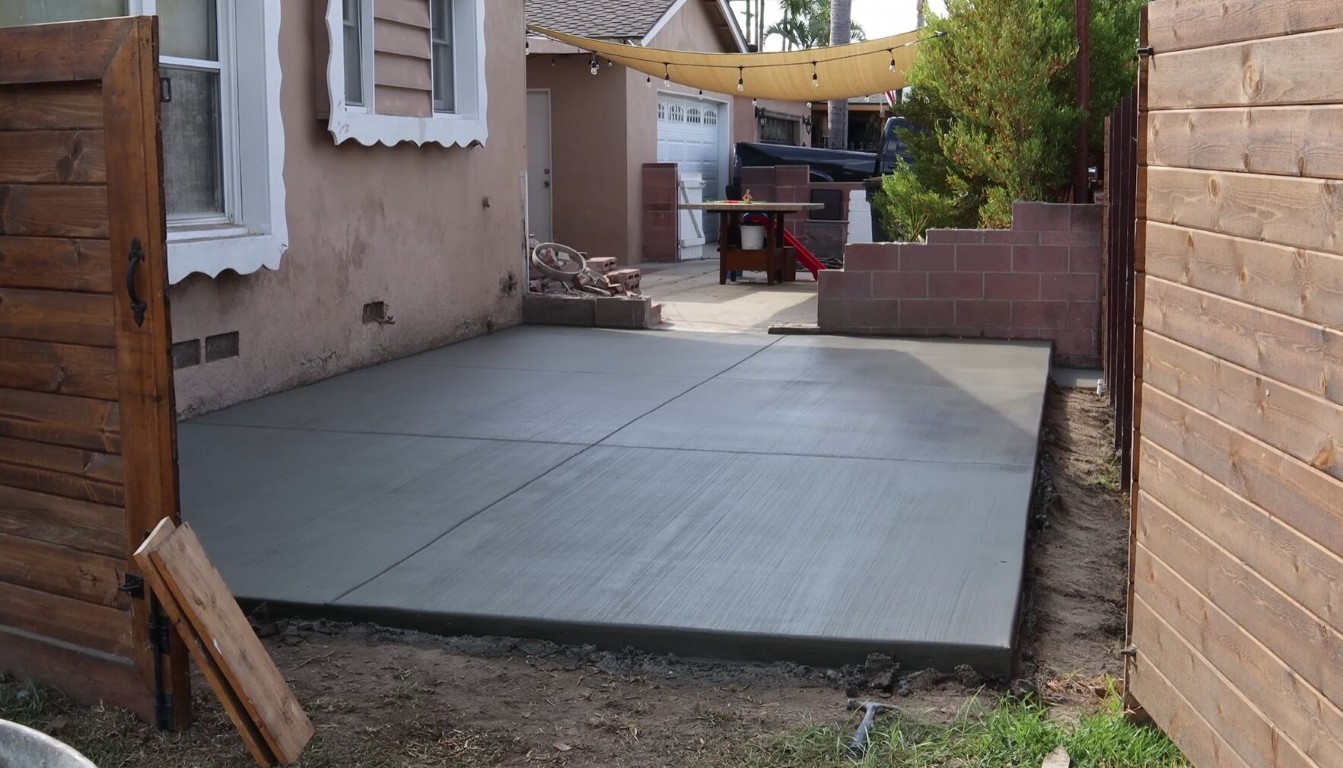
Why Concrete Beats Other Patio Materials
You have options when it comes to patio materials. Wood decks, pavers, natural stone, and concrete all have their place. But when you compare durability, maintenance, and long-term value, concrete comes out ahead for most homeowners in Thousand Oaks.
Wood decks look great initially but require constant upkeep. You need to clean, seal, and stain them every couple years. They warp in sun and moisture. They splinter. Termites can destroy them. After 15 years, most wood decks need major repairs or complete replacement. Concrete does not rot, warp, or attract pests. It just sits there looking good year after year.
Pavers offer design flexibility but come with their own problems. Individual pieces shift over time, creating uneven surfaces and trip hazards. Weeds grow between them. Ants nest underneath and cause more shifting. You spend weekends pulling weeds and releveling sunken sections. A properly installed concrete patio stays flat and weed-free without that ongoing labor.
Natural stone costs significantly more than concrete and still requires regular sealing. It stains easily from barbecue grease or spilled drinks. Concrete gives you the look of stone through stamped patterns at a fraction of the price, with better stain resistance and easier maintenance. For most families, concrete delivers the best combination of looks, performance, and value.
Design Options for Your Patio
Many people think concrete means boring gray slabs. That has not been true for years. Modern concrete offers design flexibility that matches or exceeds other materials. Here is what you can do with a concrete patio.
Color and Texture Choices
We can color concrete during mixing for consistent color throughout, or apply color hardeners and stains to the surface for varied tones. You can choose from earth tones, grays, reds, and even blues. Textures range from smooth trowel finishes to exposed aggregate that shows decorative stones embedded in the surface. Broom finishes add traction for pool areas or slopes.
Stamped Patterns
Stamping creates the look of brick, stone, slate, or wood planks in concrete. We press large textured mats into fresh concrete to imprint realistic patterns and textures. The result looks like expensive pavers or natural stone but costs less and performs better. You get the aesthetic you want without the maintenance headaches of the real materials.
- Borders and accent bands in contrasting colors
- Saw-cut patterns that mimic tile or geometric designs
- Polished finishes for a sleek, modern look
- Integration with existing landscaping and hardscaping
During your consultation, we show you samples and discuss options that fit your budget and style preferences. Every patio we build is customized to the specific space and how you plan to use it. Whether you want a simple entertaining area or an elaborate outdoor kitchen setup, concrete adapts to your needs.
Building Your Patio Right
The process for building a quality patio shares similarities with driveway installation but involves different considerations. Patios see foot traffic instead of vehicles, which allows slightly less thickness. But they also need to integrate with your landscaping and drainage patterns around your home.
Site Evaluation and Planning
We start by evaluating your backyard. Where does water currently drain? Are there underground utilities or irrigation lines? What about tree roots that might grow under the patio later? We locate all these factors before digging. We also measure sun exposure throughout the day and discuss how you will use the space. Do you need shade structures? Built-in seating? Connections to your house for electrical or gas lines?
Proper Slope and Drainage
Patios need a slight slope away from your house, typically 1/4 inch per foot. This keeps rainwater from pooling against your foundation. If your yard has challenging drainage, we might install a French drain or direct runoff to a specific area. Getting this right prevents water problems later and protects your home foundation.
Finishing and Curing
For patios, finish quality matters more than for driveways because you see the surface up close and walk on it barefoot. We take extra time with the final troweling or texturing. If you chose decorative options, we apply colors and stamping before the concrete sets. Then we cure it properly and seal it once it has hardened. A good sealer protects against stains and makes cleaning easier when you spill food or drinks during gatherings.
The entire process typically takes three to five days depending on patio size and complexity. You can usually walk on it after 24 to 48 hours, but we recommend waiting a full week before placing heavy furniture or grills on the surface. This allows the concrete to develop its full strength and prevents surface damage.