Concrete Repair & Replacement
Fix damaged concrete before small problems become expensive replacements.
When to Repair vs Replace Concrete
Not every damaged concrete surface needs complete replacement. Sometimes repairs work just fine and save you thousands of dollars. Other times, trying to patch things up wastes money because the underlying problems will continue causing damage. Knowing the difference helps you make smart decisions about your concrete.
Minor surface cracks, small chips, and shallow spalling usually qualify for repair. If the concrete is still structurally sound and level, we can fill cracks, patch damaged areas, and resurface the top layer. This restores appearance and prevents water from getting into the cracks and making them worse. Repairs typically cost 30 to 50 percent less than replacement and take less time to complete.
Replacement makes sense when concrete has major structural problems. If your driveway or patio has settled and created trip hazards, if large sections have broken apart, or if the base underneath has failed, repairs will not fix the root cause. You would be putting patches on a failing foundation. In these cases, removing the damaged concrete and starting fresh gives you better long-term results.
During our evaluation, we assess the extent of damage, check for base problems, and give you honest recommendations. If repairs will work, we tell you. If replacement is the better option, we explain why. We are not here to sell you more than you need. We want you to get the right solution that lasts.
Common Concrete Problems We Fix
Concrete develops various problems over time. Understanding what causes these issues helps you recognize them early before they get worse. Here are the most common problems we see in Thousand Oaks.
Cracking
Hairline cracks are normal in concrete and usually nothing to worry about. Wider cracks that let water through need attention. Cracks develop from ground movement, tree roots, heavy loads, or temperature changes. We clean out the cracks, fill them with flexible sealant or epoxy, and seal the surface to prevent water infiltration. For wider structural cracks, we may need to install staples or stitching to hold the concrete together.
Settling and Sinking
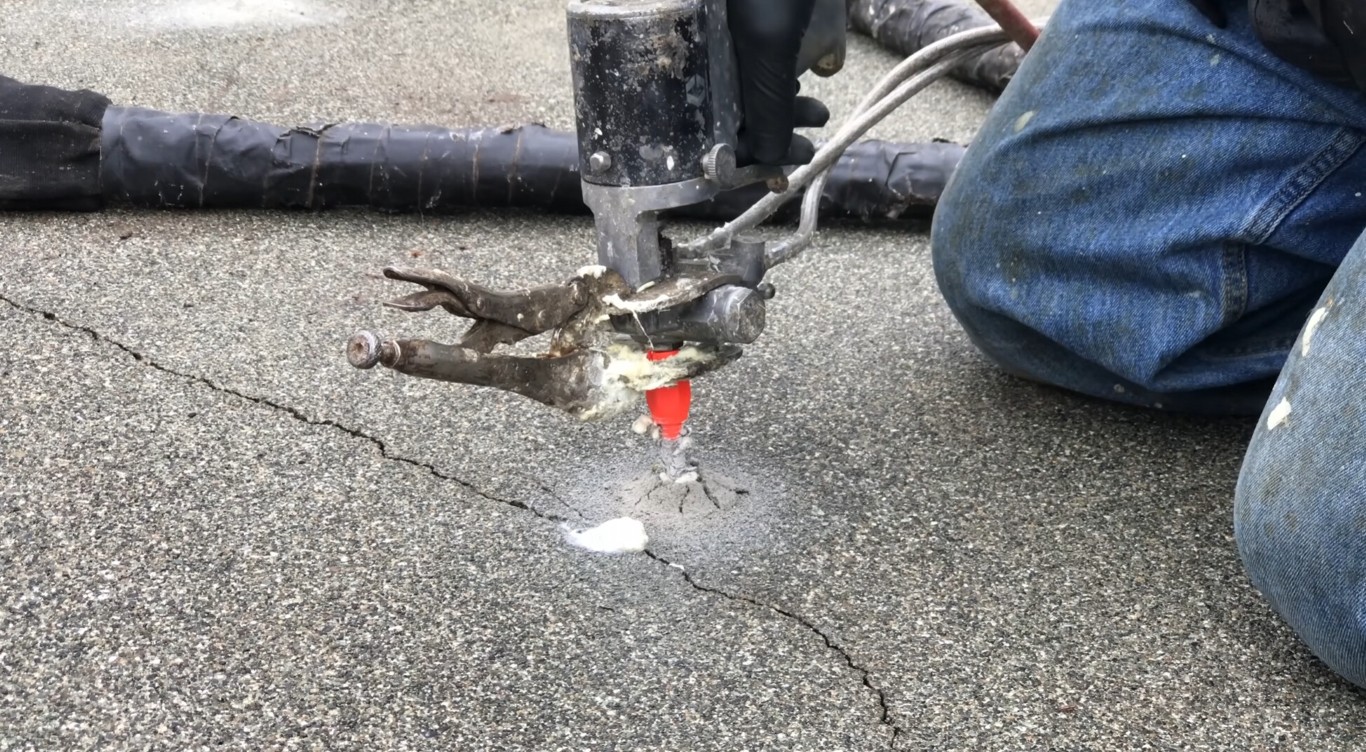
When soil underneath concrete washes away or compacts unevenly, sections of concrete sink and create unlevel surfaces. This creates trip hazards and drainage problems. We can raise sunken concrete through slabjacking or polyurethane foam injection. Both methods fill voids underneath and lift the concrete back to its original height. This costs much less than replacement and takes just a few hours.
- Spalling and surface deterioration from freeze-thaw cycles
- Discoloration and staining from rust, oil, or chemical exposure
- Joint separation where expansion joints have failed
- Edge breaking along driveways and walkways
Each problem has specific repair techniques that work best for that situation. We diagnose the issue, explain what caused it, and recommend the most cost-effective repair method. Sometimes we can handle repairs during a single visit. Other times we need to let materials cure between steps, which extends the timeline.
Our Repair and Replacement Process
Whether we are repairing damaged areas or replacing an entire section, we follow a systematic approach to ensure quality results that last.
Thorough Assessment
We start by examining all the concrete, not just the obvious problem areas. Sometimes damage in one spot indicates broader issues. We check the base underneath, look for drainage problems, and identify what caused the damage in the first place. If we do not address the root cause, the problems will return after repair.
Damage Removal and Prep
For repairs, we remove loose or damaged concrete and clean the area thoroughly. We may need to undercut edges to create mechanical bonds for the patch material. For replacements, we remove all the old concrete, inspect and repair the base if needed, and prepare forms just like we would for new construction. Proper prep work determines whether repairs bond correctly and last.
Material Application
We use repair materials matched to the existing concrete type and exposure conditions. Some repairs need fast-setting materials so you can use the area quickly. Others work better with standard concrete that cures more slowly but develops higher strength. For replacements, we pour new concrete following the same quality standards we use for new driveway installations.
Finishing and Protection
We finish repaired areas to match the surrounding concrete as closely as possible. Perfect matches are not always achievable because new concrete ages differently than old concrete, but we get it close. After repairs or replacements cure, we seal the entire surface to provide uniform protection. We also give you maintenance recommendations to help prevent future problems.