
Concrete Slab & Foundation Work
The foundation determines everything that sits on top of it. We build it right the first time.
Why Foundation Work Matters
Your foundation supports the entire weight of your structure. Whether you are building a new home, adding a room, constructing a garage, or installing a shed, the foundation determines if that structure stands level and stable for decades or develops problems within a few years.
Foundation failures create expensive problems. Walls crack. Doors stick. Floors slope. Water seeps into places it should not go. Fixing foundation issues after construction costs far more than doing it right initially. That is why experienced contractors focus so much attention on foundation work. Get this part wrong and nothing else matters.
In Thousand Oaks, we work with various soil conditions. Some areas have stable soil that supports foundations easily. Other areas have expansive clay that swells when wet and shrinks when dry, putting stress on foundations. We test soil conditions and design the foundation accordingly. This is not guesswork. It requires knowledge of local geology and proper engineering principles.
Concrete slabs serve as foundations for buildings and as floors for garages, workshops, and storage buildings. They also work as pads for heavy equipment, generators, air conditioning units, and hot tubs. Each application has specific requirements for thickness, reinforcement, and base preparation. We match the design to the intended use so you get a slab that performs correctly for your needs.
Types of Foundation Work We Do
Different projects need different foundation approaches. Here are the most common types we install for residential and light commercial properties in the area.
Slab-on-Grade Foundations
This is the most common foundation type in California. We pour concrete directly on prepared ground, typically 4 to 6 inches thick with thickened edges that extend below the frost line. The slab combines the foundation and floor into one piece. It works well in our climate because we do not deal with deep frost penetration. Slab-on-grade foundations cost less than other types and work for most single-story structures.
Garage and Workshop Slabs
Garages need thicker slabs than living spaces because they support vehicle weight. We typically pour 5 to 6 inches of concrete with proper reinforcement. We also slope the floor slightly toward the door so water and melting snow drain out instead of pooling inside. For workshops with heavy equipment, we increase thickness and reinforcement based on the weight you plan to store.
- Equipment pads for HVAC units, generators, and pool equipment
- Shed and storage building foundations
- Greenhouse and sunroom floor slabs
- Reinforced slabs for heavy vehicles or machinery
Each project starts with understanding what you are building and how you will use it. We ask about intended loads, traffic patterns, and any special requirements. Then we design the foundation to handle those conditions with appropriate safety margins. This attention to detail prevents problems and ensures your structure sits on a solid base.
Our Foundation Installation Process
Quality foundation work follows a systematic process. Skipping steps or rushing through stages creates problems later. Here is how we approach every foundation project to ensure lasting results.
Site Survey and Soil Testing
Before we break ground, we survey the site and test soil conditions. We check for underground utilities, existing structures, and drainage patterns. Soil tests tell us about bearing capacity and whether we need special measures for expansive soils. We also verify that the project complies with local building codes and obtain necessary permits. This planning phase prevents surprises during construction.
Excavation and Grading
We excavate to the required depth and grade the soil to create a level base. For slab-on-grade foundations, we dig trenches around the perimeter that will become the thickened edge. All loose soil gets removed or compacted. We bring in engineered fill if needed and compact it in layers. Proper compaction is critical. Loose soil settles over time and causes the foundation to crack or sink.
Base Preparation and Reinforcement
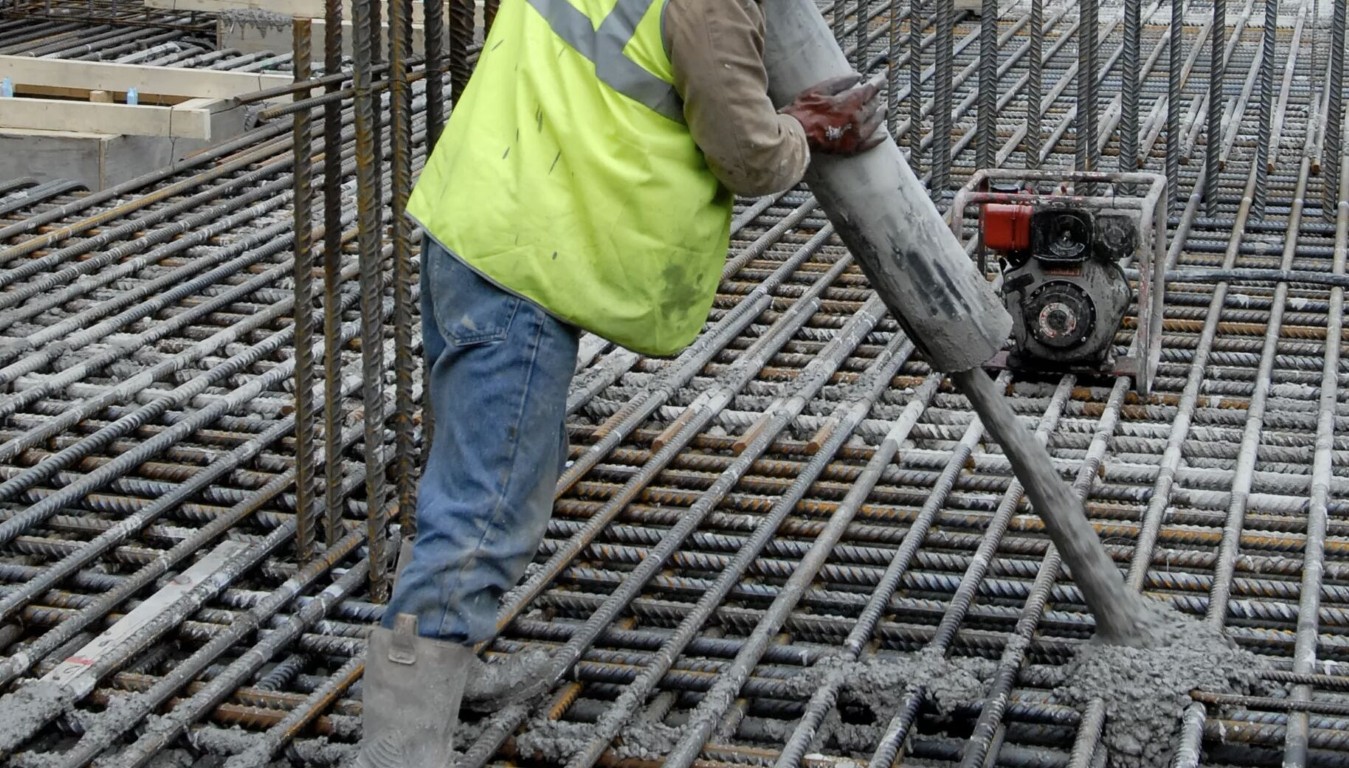
We install a gravel base for drainage and stability, then lay down a vapor barrier to prevent moisture from wicking up through the concrete. Next comes the reinforcement, either rebar or welded wire mesh depending on the project requirements. We position the steel at the correct height within the slab thickness so it provides maximum strength. For foundations carrying building loads, we install additional steel according to engineering specifications.
Concrete Placement and Finishing
On pour day, we have the concrete delivered and place it carefully to avoid disturbing the reinforcement. We work quickly because concrete starts setting within hours. Our crew screeds the surface level, then uses floats and trowels to create the desired finish. For garage floors, we add a broom finish for traction. We install anchor bolts if the foundation will support framing. Finally, we cure the concrete properly by keeping it moist for several days. This curing period is essential for developing full strength.